Tutorial
Learn at your own pace
Video Tutorials
Master Upbooks™ with clear, step-by-step guides. From setup to advanced features—all in one place.

From our channel
Watch step-by-step videos to learn your way around Upbooks™
All tutorials from our YouTube channel, embedded so you can learn without leaving the page.
Watch all on YouTubeTutorial
Upbooks Guide | How to create proposals on Upbooks?
Watch on YouTubeTutorial
Upbooks Guide | How to create product categories?
Watch on YouTubeTutorial
Upbooks Guide | How to add product on Upbooks ?
Watch on YouTubeTutorial
Upbooks Guide | How to configure discounts on upbooks
Watch on YouTubeTutorial
Upbooks Guide | How to configure taxes on upbooks
Watch on YouTubeTutorial
Upbooks Guide | How to setup automated reminders for invoices which are overdue
Watch on YouTubeTutorial
Upbooks Guide | How to setup invoice default settings on upbooks
Watch on YouTubeTutorial
Upbooks Guide | How to setup online payments to start accepting payments on the go
Watch on YouTubeTutorial
Upbooks Guide | How to add services on upbooks
Watch on YouTubeTutorial
Upbooks Guide | How to add clients
Watch on YouTubeTutorial
Upbooks Guide | How to setup advance settings to personalize your upbooks account
Watch on YouTubeTutorial
Upbooks Guide | How to start using Upbooks?
Watch on YouTubeLATEST UPDATES
Our Popular Blogs
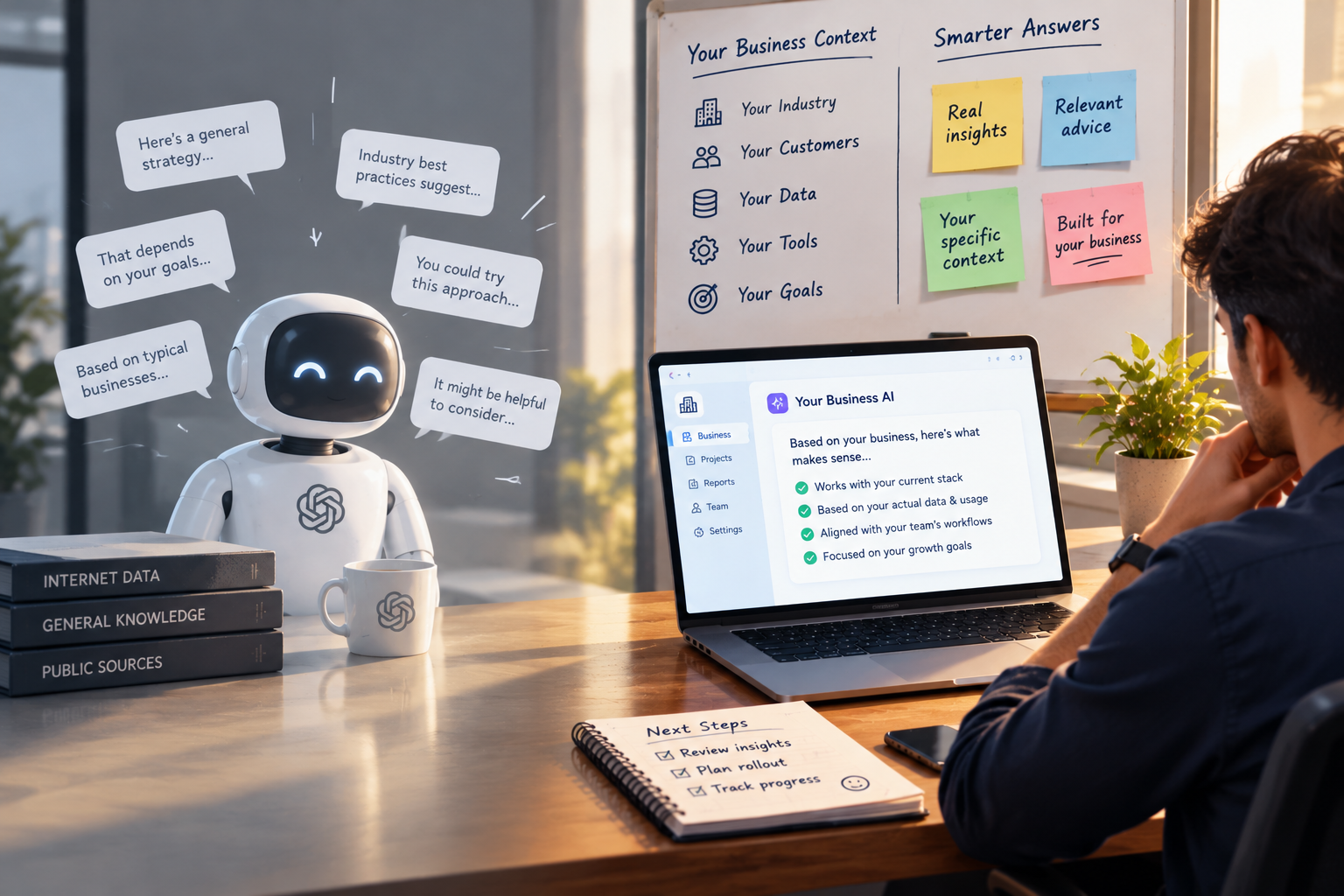
Business, Technology, Business Operating System
Oct 12, 2026
Your AI Doesn't Know Your Business. It Just Sounds Like It Does.
This blog draws the distinction between AI that sounds informed and AI that actually is — explaining why generic AI recommendations can feel confident and correct while being disconnected from a business's real data, and why that gap matters more for small businesses without a team to catch it.
By Radhika Mandhar—In Business, Technology, Business Operating System
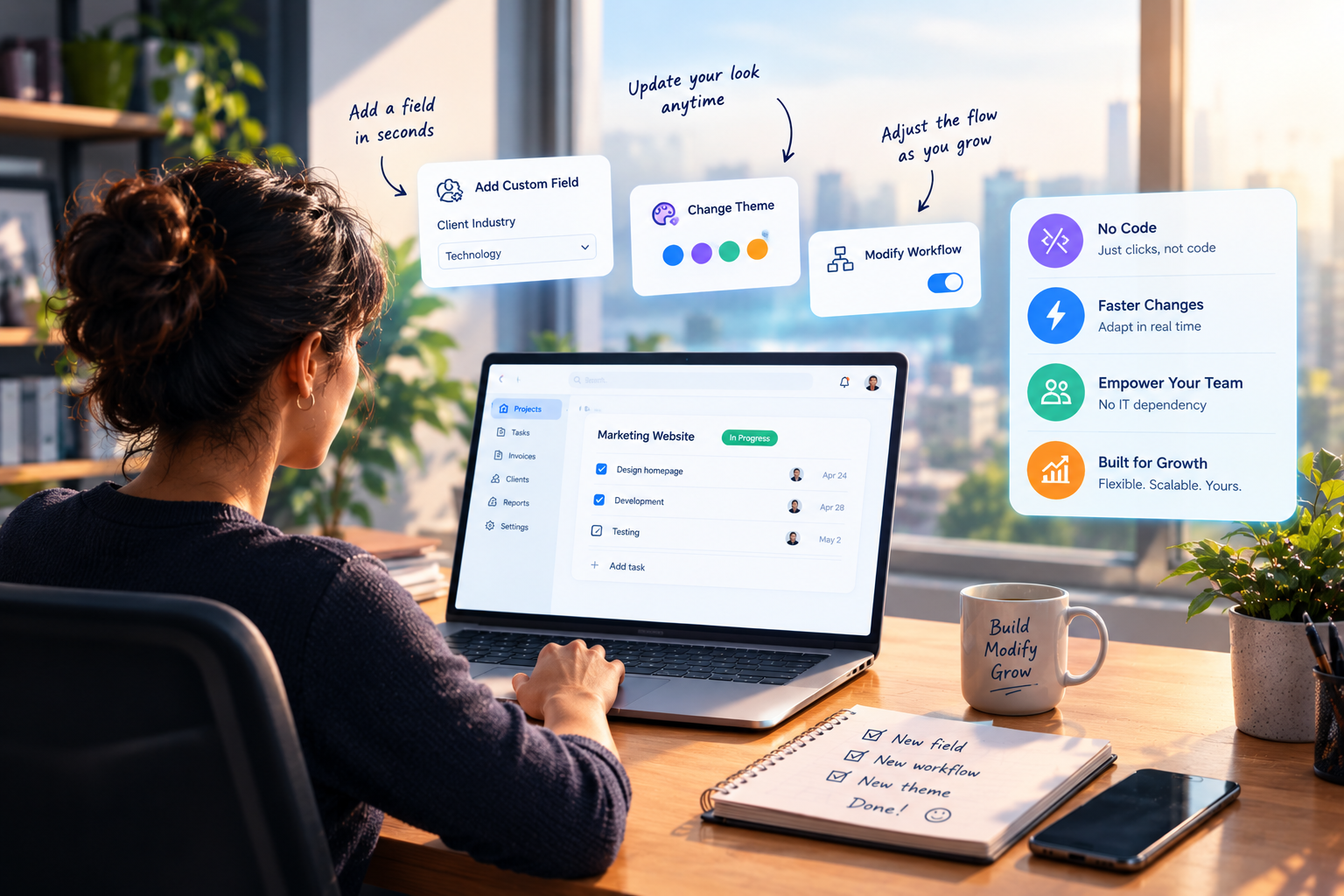
Business, Technology, Business Operating System
Oct 5, 2026
The Best Business Software Doesn't Need a Developer to Change It
This blog explains why low-code/no-code configurability is becoming essential for growing businesses, removing the cost and delay of developer-dependent customization, and uses Upbooks' no-code, fast-setup approach as a real example of this shift in practice.
By Radhika Mandhar—In Business, Technology, Business Operating System
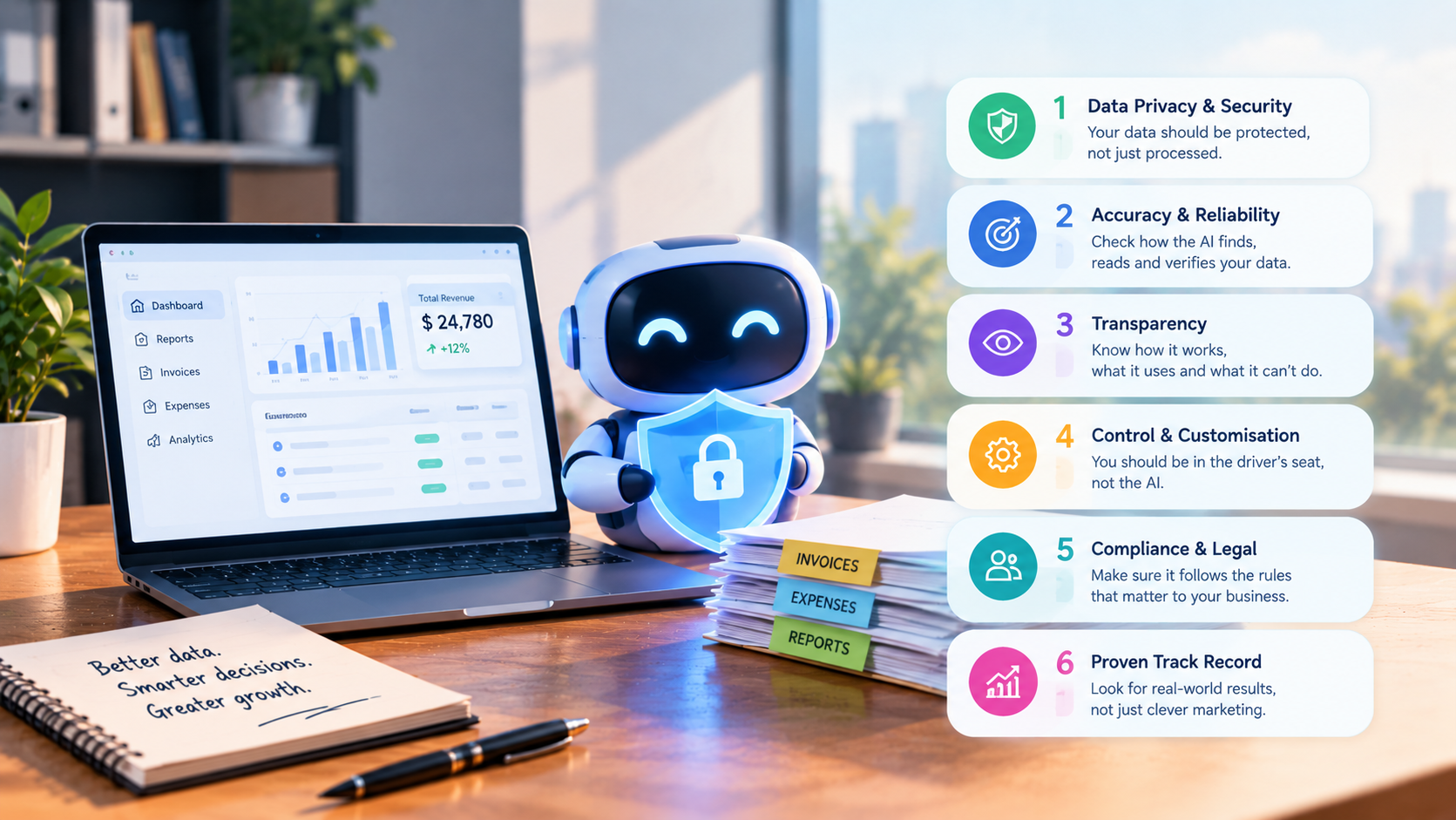
Business, Technology, Business Operating System
Sep 30, 2026
Six Things to Check Before You Trust AI With Your Numbers
A practical checklist for business owners on what to verify before trusting AI with financial or operational decisions — covering reasoning transparency, overridability, data relevance, confidence signaling, human approval, and error recovery.
By Radhika Mandhar—In Business, Technology, Business Operating System