Blog
Latest insights, updates, and best practices from Upbooks
The Upbooks blog covers practical guidance for running a modern business on an AI-ready ERP — from invoicing, inventory, and payroll to CRM, project management, and industry-specific operations. Whether you are evaluating software, migrating from spreadsheets, or scaling across teams and locations, these articles are written to help you make clearer decisions and get more from your stack.
Browse by category or archive to find posts on accounting best practices, hospitality and retail workflows, automation with Zapier, API integrations, compliance, and product updates. New articles are added regularly for founders, finance leaders, operations teams, and developers building on Upbooks.
Categories
53 articles found

Remote Teams Don't Need More Status Meetings. They Need a Record of the Work.
Remote teams call status meetings because the work itself cannot be seen. This blog shows how logging effort against projects and tasks, attaching annotated screenshots and recordings as proof of work, and reading hours against budget in reports gives a team a shared record of where each project stands, using Uplog as the working example.

Your AI Doesn't Know Your Business. It Just Sounds Like It Does.
This blog draws the distinction between AI that sounds informed and AI that actually is — explaining why generic AI recommendations can feel confident and correct while being disconnected from a business's real data, and why that gap matters more for small businesses without a team to catch it.

The Best Business Software Doesn't Need a Developer to Change It
This blog explains why low-code/no-code configurability is becoming essential for growing businesses, removing the cost and delay of developer-dependent customization, and uses Upbooks' no-code, fast-setup approach as a real example of this shift in practice.

Six Things to Check Before You Trust AI With Your Numbers
A practical checklist for business owners on what to verify before trusting AI with financial or operational decisions — covering reasoning transparency, overridability, data relevance, confidence signaling, human approval, and error recovery.
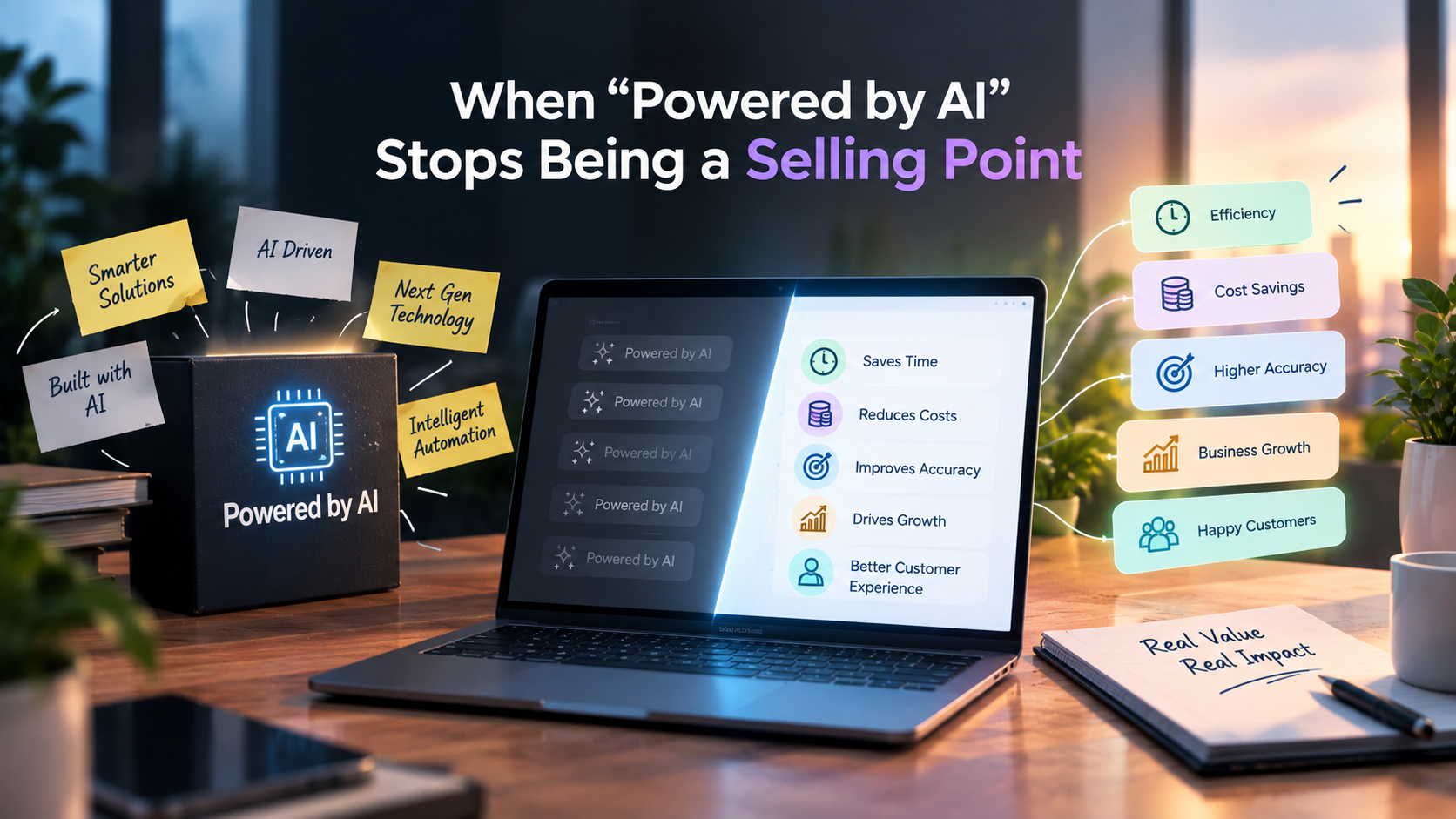
When "Powered by AI" Stops Being a Selling Point
This blog argues that as embedded AI becomes standard across business software, "has AI" will stop being a meaningful differentiator — and outlines the sharper questions businesses should ask instead when evaluating any AI-powered tool.
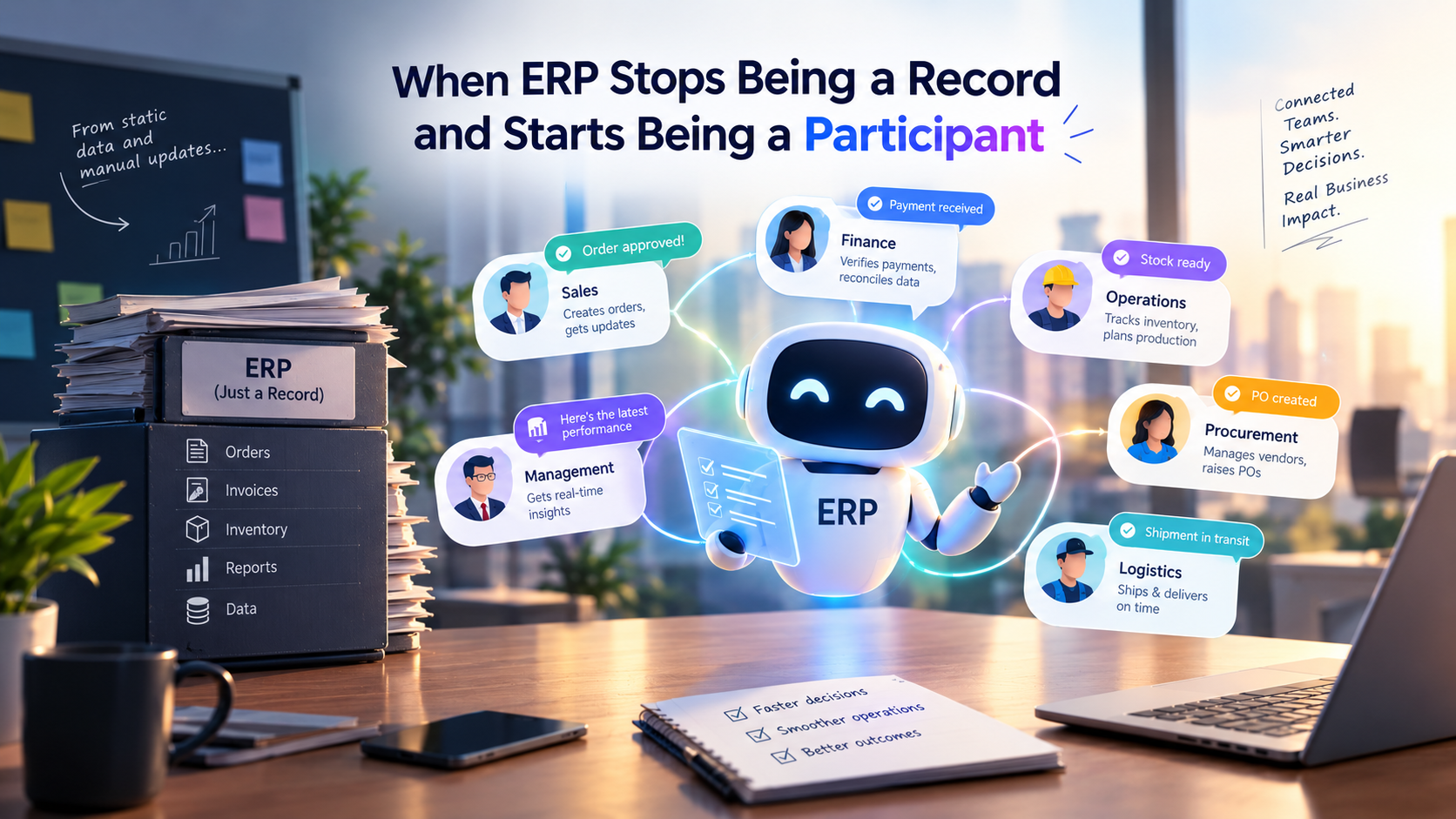
When ERP Stops Being a Record and Starts Being a Participant
This blog explains the shift from ERP as a passive system of record to an active system of execution and intelligence — where software doesn't just store data but takes appropriate action on it — and what this shift means for businesses of every size, not just large enterprises.