Sell, build, and keep the books — without duct-taping five tools together.
Built for founders with a small team: run your LeadTrackr pipeline, deliver on project boards, manage clients and vendors, collaborate as you grow, and keep proper books from day one.
Founder command center
9 modulesSell
Build
Books
Deal moved to Proposal
LeadTrackr · Acme pilot → ₹4.2L
Pipeline
₹18.6L
Lead
Qualified
Proposal
Won
One platform · no duct-taped stack
Founder stack
Nine capabilities. One platform. Zero duct tape.
LeadTrackr pipeline, project boards, clients, vendors, team collaboration, proposals, books, banking, and reminders — with live product screenshots throughout.
LeadTrackr — Pipeline & Deals
Track every lead and deal without a heavy CRM
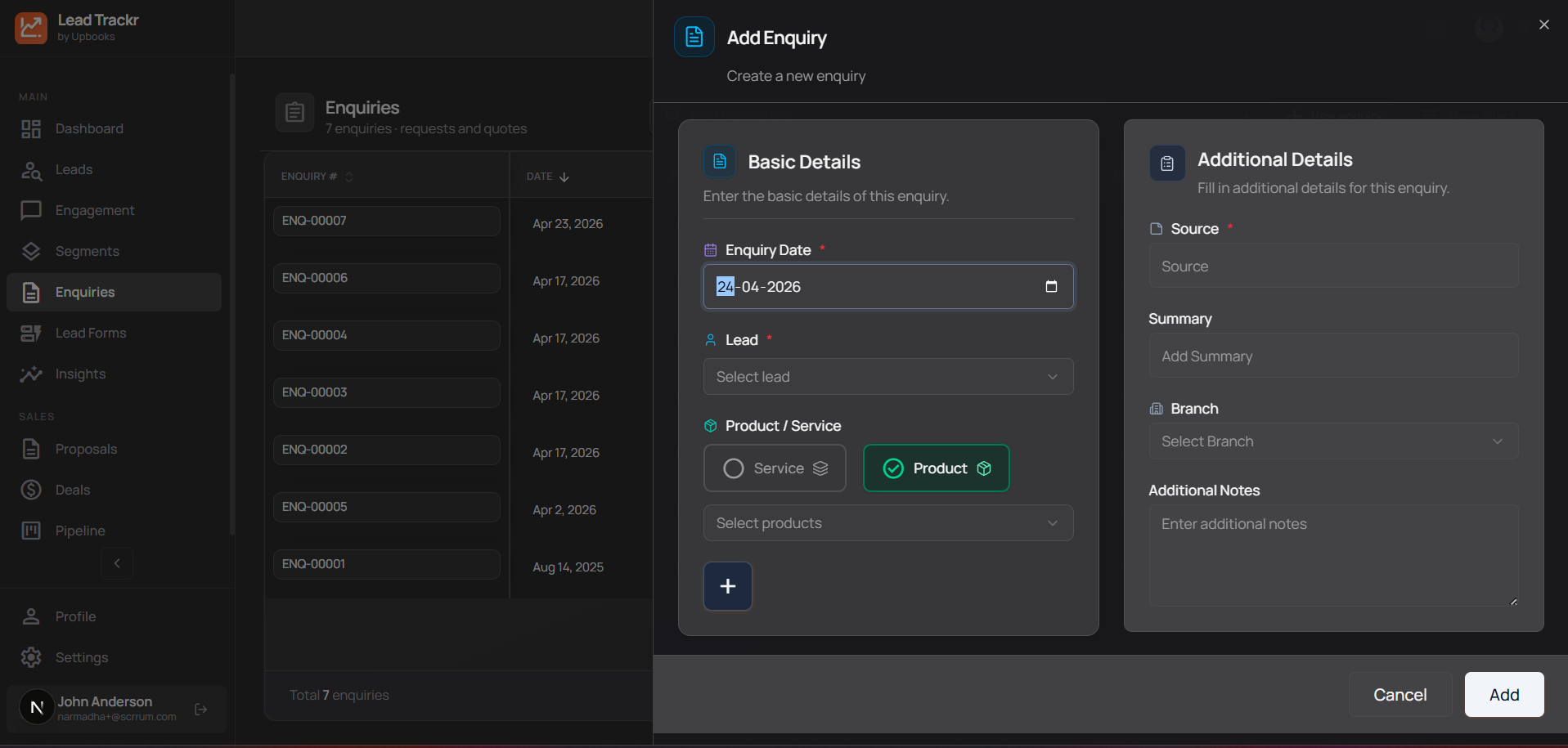
- Capture enquiries from your website, referrals, or outbound — nothing falls through the cracks
- Track leads from first contact to won deal with stages your founding team actually uses
- See pipeline value at a glance: who to follow up with today and what's about to close
- Log activities, notes, and next steps so warm leads don't go cold between founders
- Convert a won deal to a proposal or invoice in one flow — sales and billing stay connected
Early-stage startups can't afford lost leads or a CRM nobody updates. LeadTrackr gives founders a lightweight pipeline to sell consistently without bolting on Salesforce before you're ready.
Proposals & Invoices
Professional quotes and billing from day one
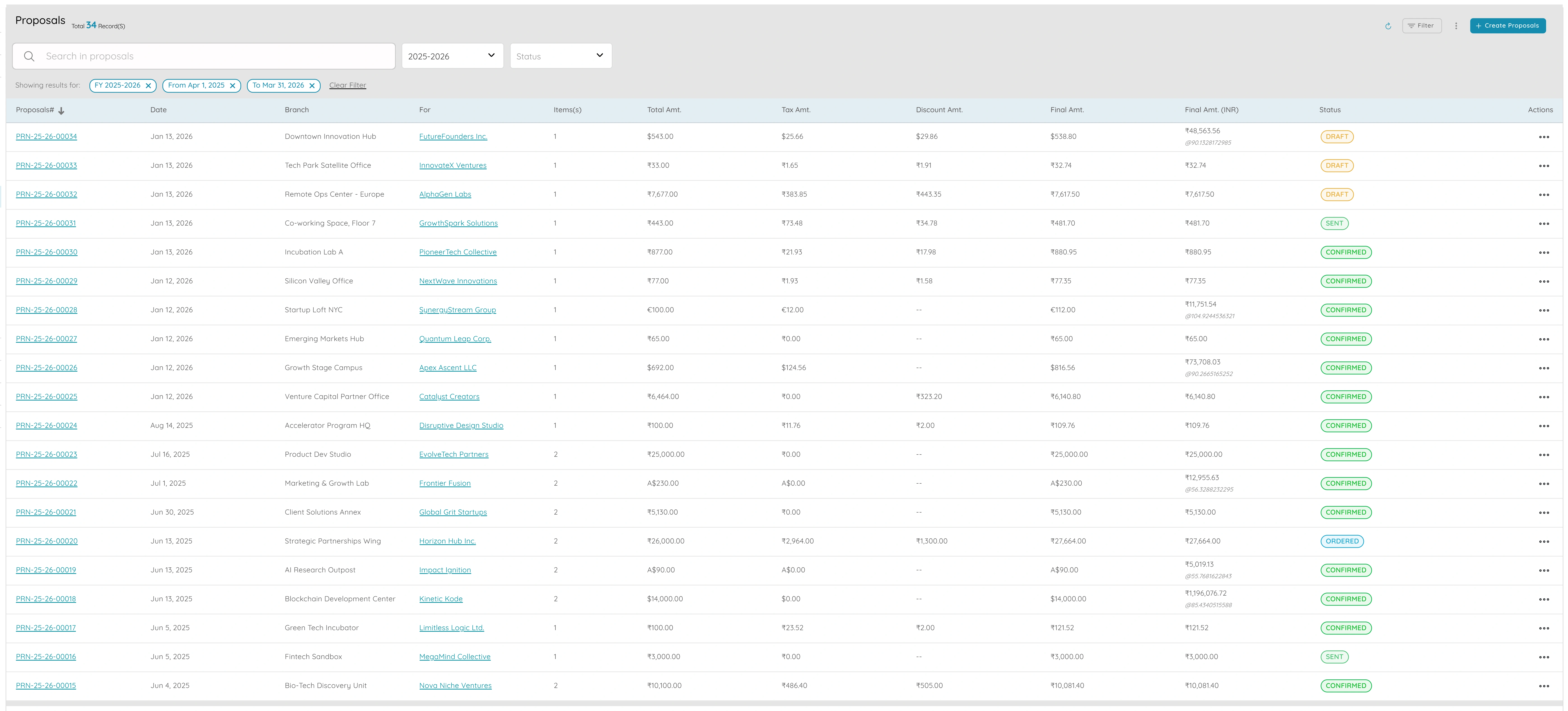
- Send branded proposals and invoices so early customers and investors see you as serious
- Convert proposal to invoice in one step — scope and pricing carry over without re-typing
- Correct tax and payment terms on every document from the start
- Track sent, paid, and overdue invoices in one view while runway is still short
- One simple flow the founder or small team can run without a full-time finance hire
Proposals and invoices are how startups turn pilots into revenue. Branded documents, seamless conversion, and clear payment status keep cash flow visible from the first customer.
Project Boards & Tasks
Deliver client work without a separate PM tool
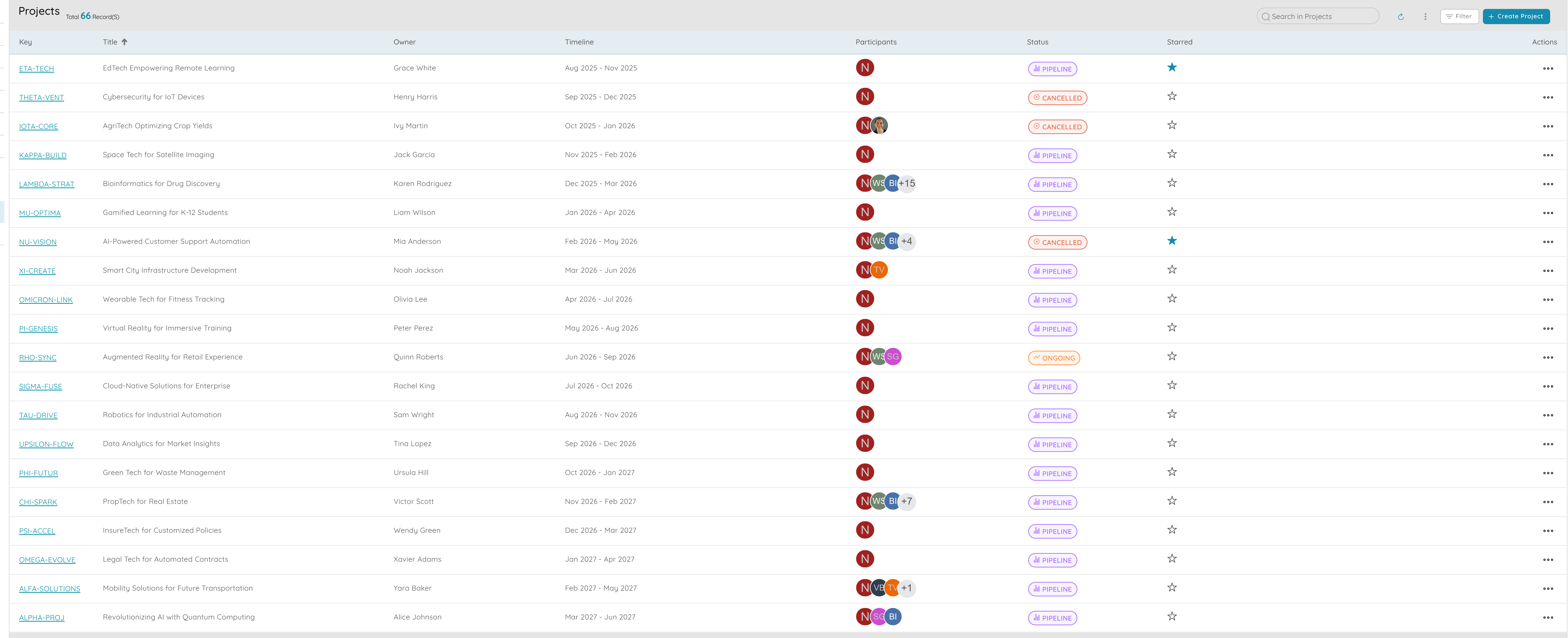
- Run client engagements on boards: Discovery → Build → Review → Delivered
- Tasks with assignees and due dates as your team grows beyond two founders
- Link projects to clients so delivery and billing stay in the same system
- Add boards when delivery gets complex — skip them if you're only invoicing at first
- Same app as proposals and deals so won work flows straight into execution
Startups often sell before they have a delivery process. Project boards give structure without another subscription — and keep delivery connected to the clients and invoices already in Upbooks.
Clients & Vendors
One place for who you sell to and who you pay
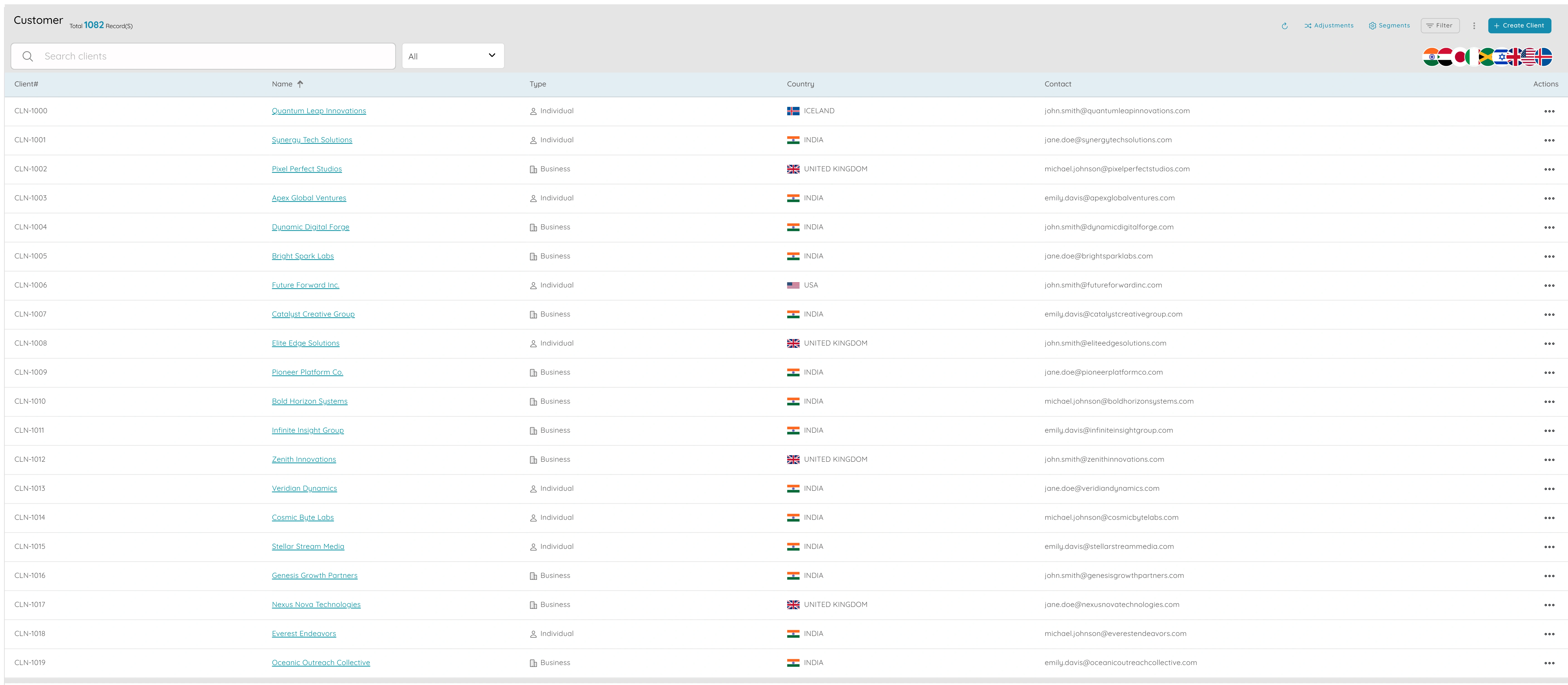
- Keep every customer and supplier in one record — no scattered contacts in email or notes
- Pick the client when you invoice; pick the vendor when you record a supplier payment
- See billing and payment history per party as you scale past a handful of relationships
- Add clients and vendors as you go — no bulk import before you can start
- Vendor records set you up for purchase orders and payables as procurement grows
Founders juggle customers and suppliers from day one. One directory ties every transaction to the right party and becomes the source of truth when investors or accountants ask for clean records.
Products & Services Catalogue
Consistent pricing as you iterate and pivot
- Start with a few offerings and add more as you expand — no need to define everything upfront
- Pull items into proposals and invoices in seconds instead of retyping descriptions
- Change a price in one place when you iterate; past documents stay as they were
- Keep quotes consistent so early customers never see conflicting rates
- When you pivot or add a line, add it to the catalogue and use it immediately
Why it matters
Startup pricing changes fast. A shared catalogue prevents errors, keeps documents professional, and lets the whole team quote the same way without a pricing spreadsheet.
Catalogue → proposal in one click
liveCatalogue
SaaS pilot package
MVP development
Customer onboarding
Monthly support
Draft proposal
SaaS pilot package
Fixed project · ₹1,20,000
One flow
Team Collaboration
Everyone on the same page as you hire your first few people
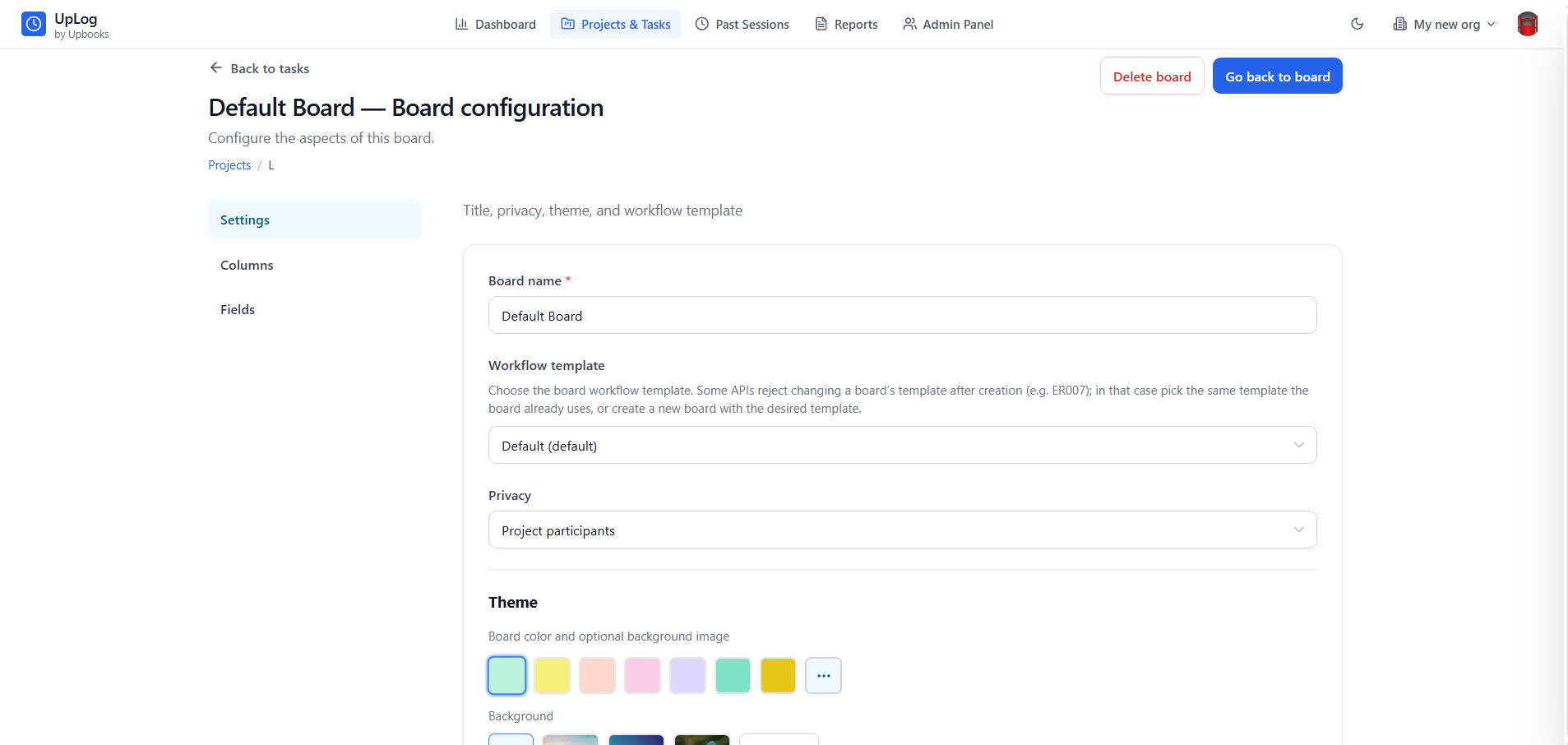
- Assign tasks on project boards so founders and early hires see who owns what
- Share the same client, deal, and project context — no duplicate data in side tools
- Role-based access as you add co-founders, contractors, or first employees
- Activity and time visibility when you need to know what shipped this week
- Grow from two people to ten without switching to a separate collaboration stack
The first hires should inherit context, not spreadsheets. Shared projects, tasks, and records let a small team move fast without losing track of who promised what to which customer.
Chart of Accounts & Tax
Proper books and compliance from the beginning
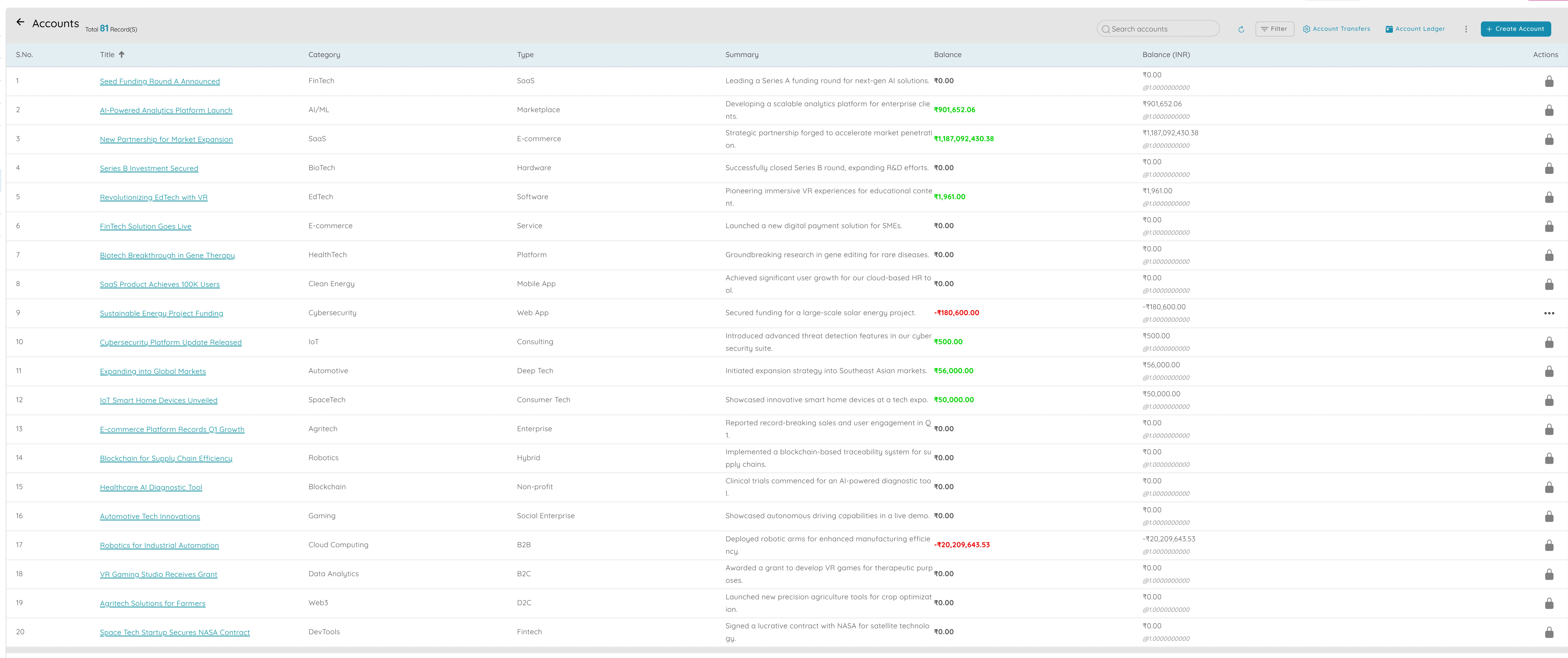
- Ready-made chart of accounts so you're not building on spreadsheets you'll migrate later
- Configure tax once — every invoice stays compliant without a year-end cleanup
- Every invoice, payment, and expense posts to the right account automatically
- Investor- and lender-ready structure from day one without a full-time accountant
- Export or hand off to a part-time accountant when fundraising or audit season arrives
Investors expect proper books even at seed stage. Starting with the right structure avoids painful migrations later and shows you take finance seriously from the first rupee in and out.
Bank Accounts & Cash Flow
Know where your runway actually sits
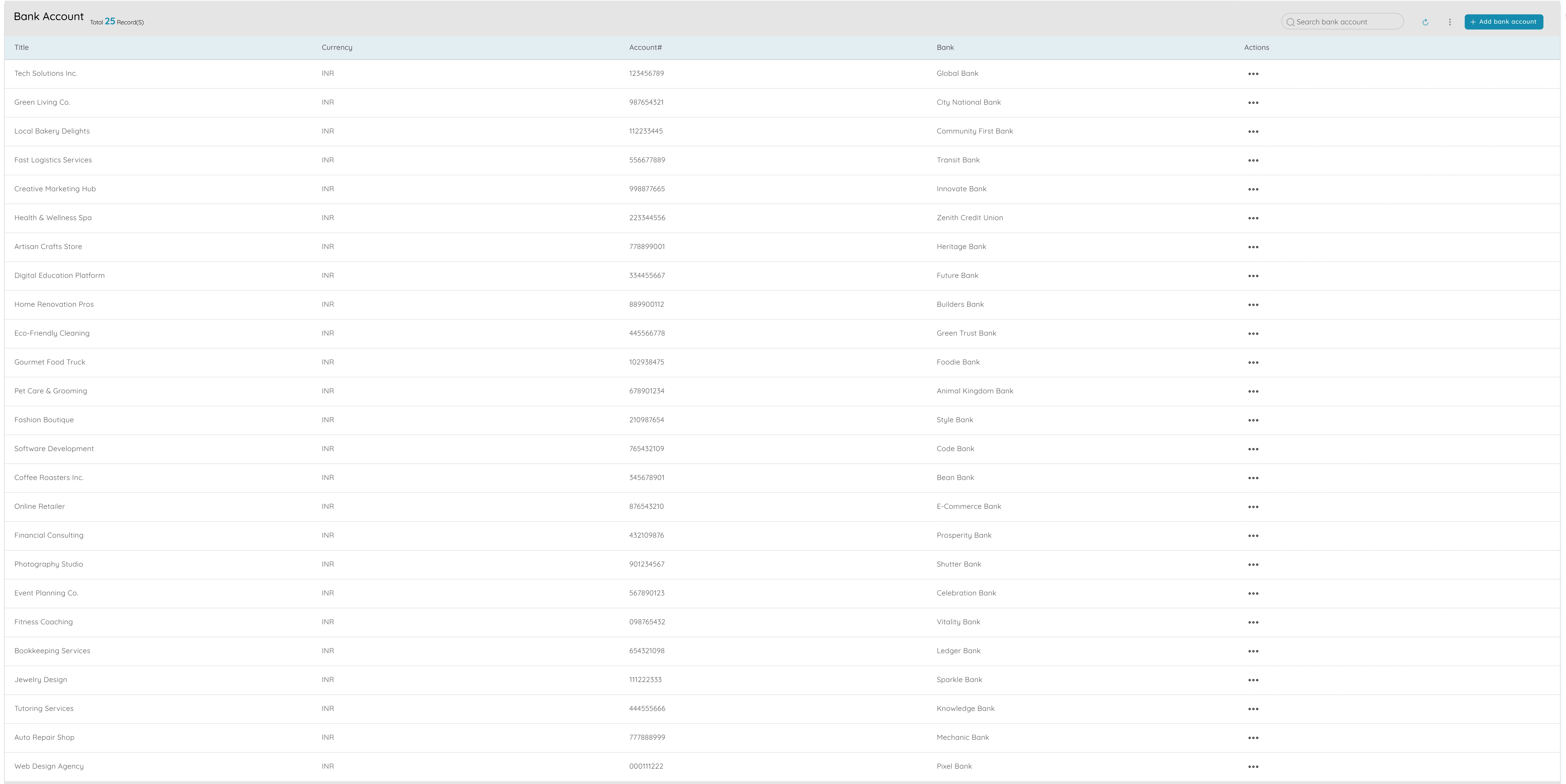
- Show correct bank details on every invoice — set once, appear everywhere
- Tag incoming payments to the right account for reconciliation with statements
- See cash position alongside receivables when runway is your most important metric
- Add accounts as you open new entities or raise your first round
- Connect recorded payments to clients and invoices for a clear audit trail
Cash is oxygen for startups. Clear bank setup and payment tagging tell you what's collected, what's outstanding, and how much runway you actually have — without a separate treasury tool.
Automated Reminders
Get paid faster without awkward chase emails
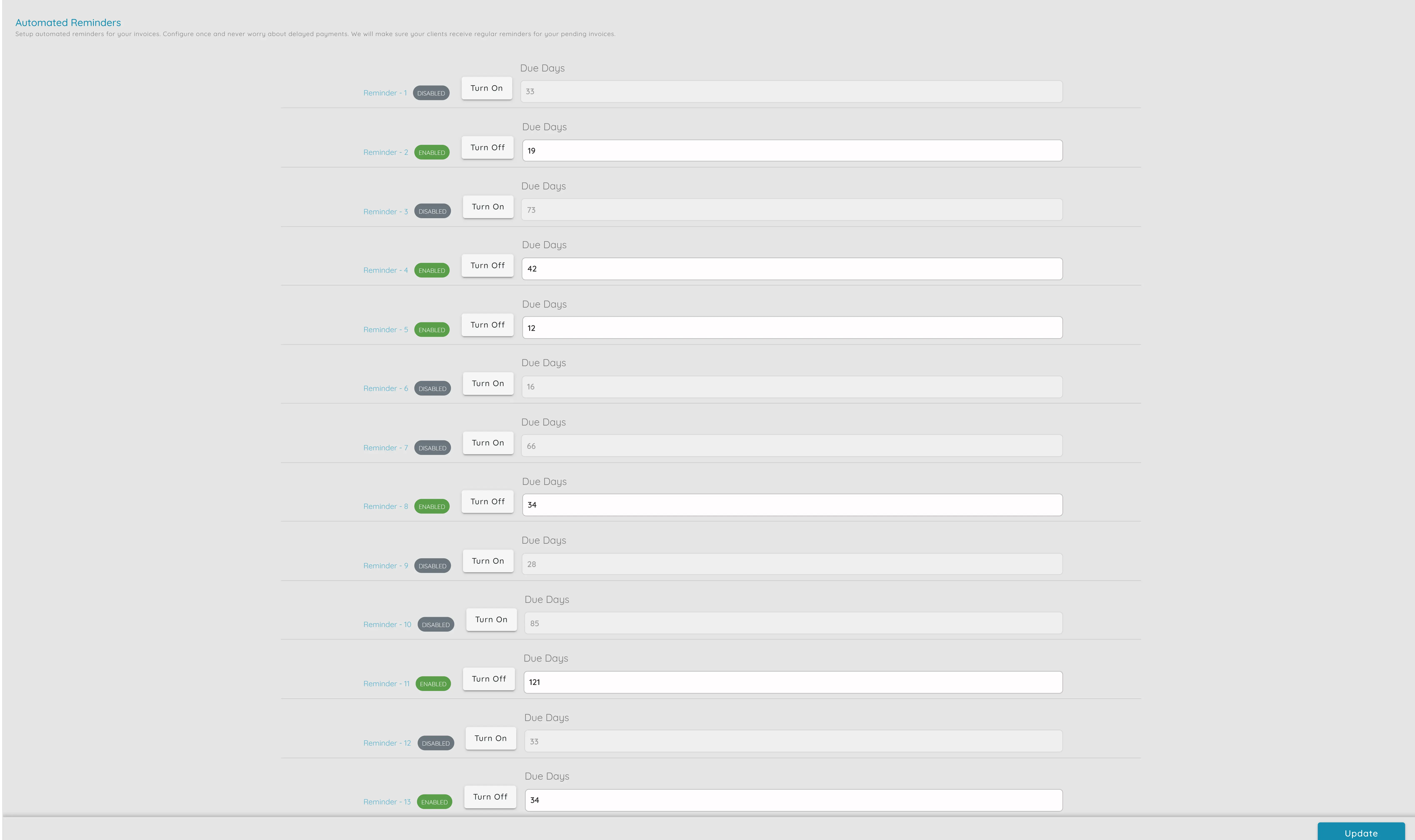
- Automated reminders nudge customers when invoices are due or overdue
- Founders stop spending evenings on "just following up" emails
- Branded, consistent tone on every reminder — look organised with a tiny team
- See which invoices need a personal call; let automation handle the routine
- Build the habit of on-time payment from your first customers
Late payments compress runway. Automated reminders recover money you've already earned so founders can focus on closing the next deal instead of chasing the last one.


Stop juggling tools. Start building your company.
LeadTrackr pipeline, project boards, clients, vendors, team collaboration, proposals, books, and reminders — one platform that grows with your founding team.