Run production on the floor. Plan every job on the board.
Upbooks gives manufacturers FlowForge for shop-floor control, Kanban boards for production planning, plus inventory and procurement — connected in one suite.

 Kanban board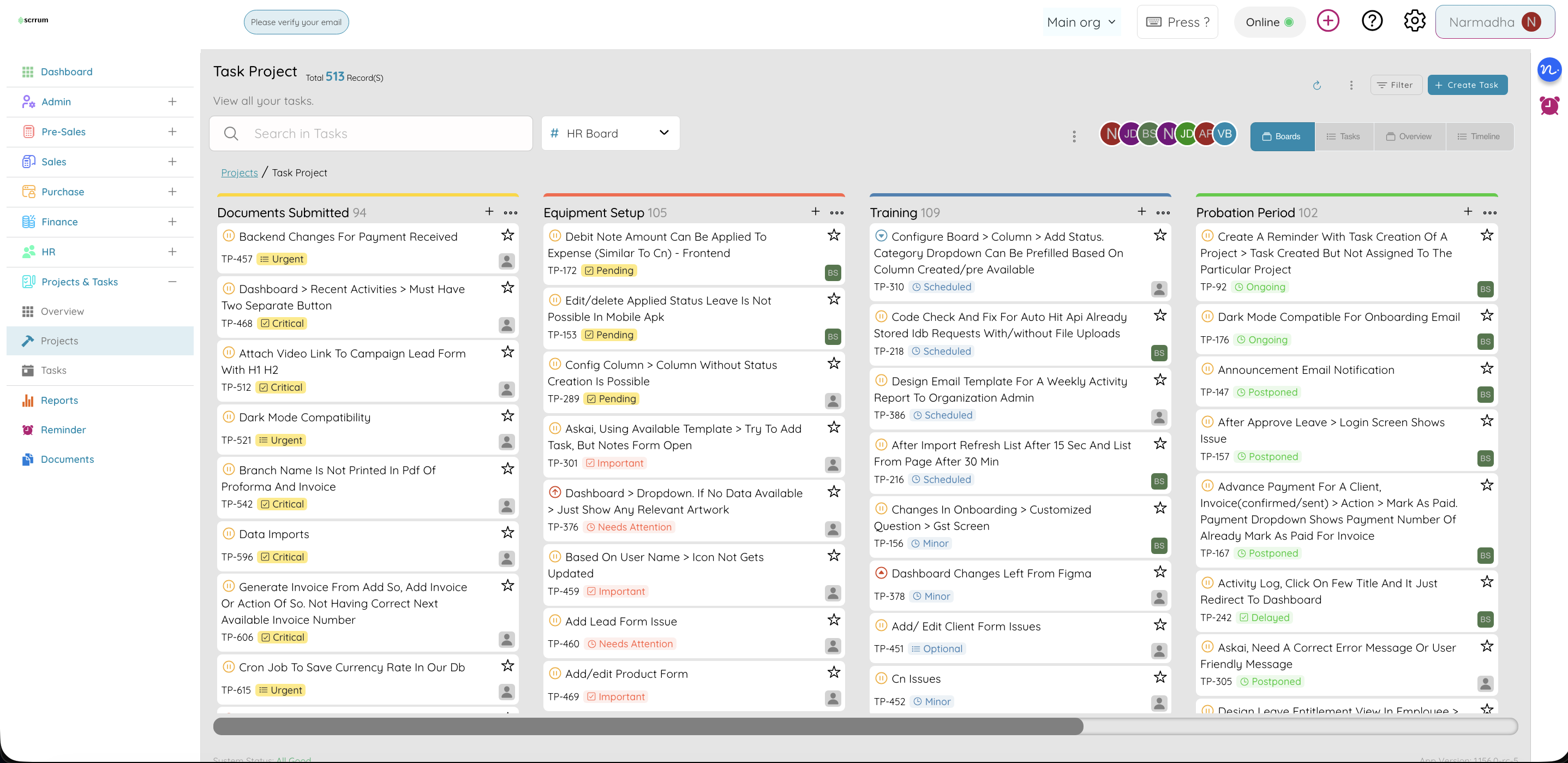
Shop floor
13 batches active
The manufacturing stack
Four apps. One connected plant.
How it works on the plant
Floor execution meets production planning
FlowForge moves batches through stations. Kanban boards keep engineering, ops, and quality aligned on what ships next.
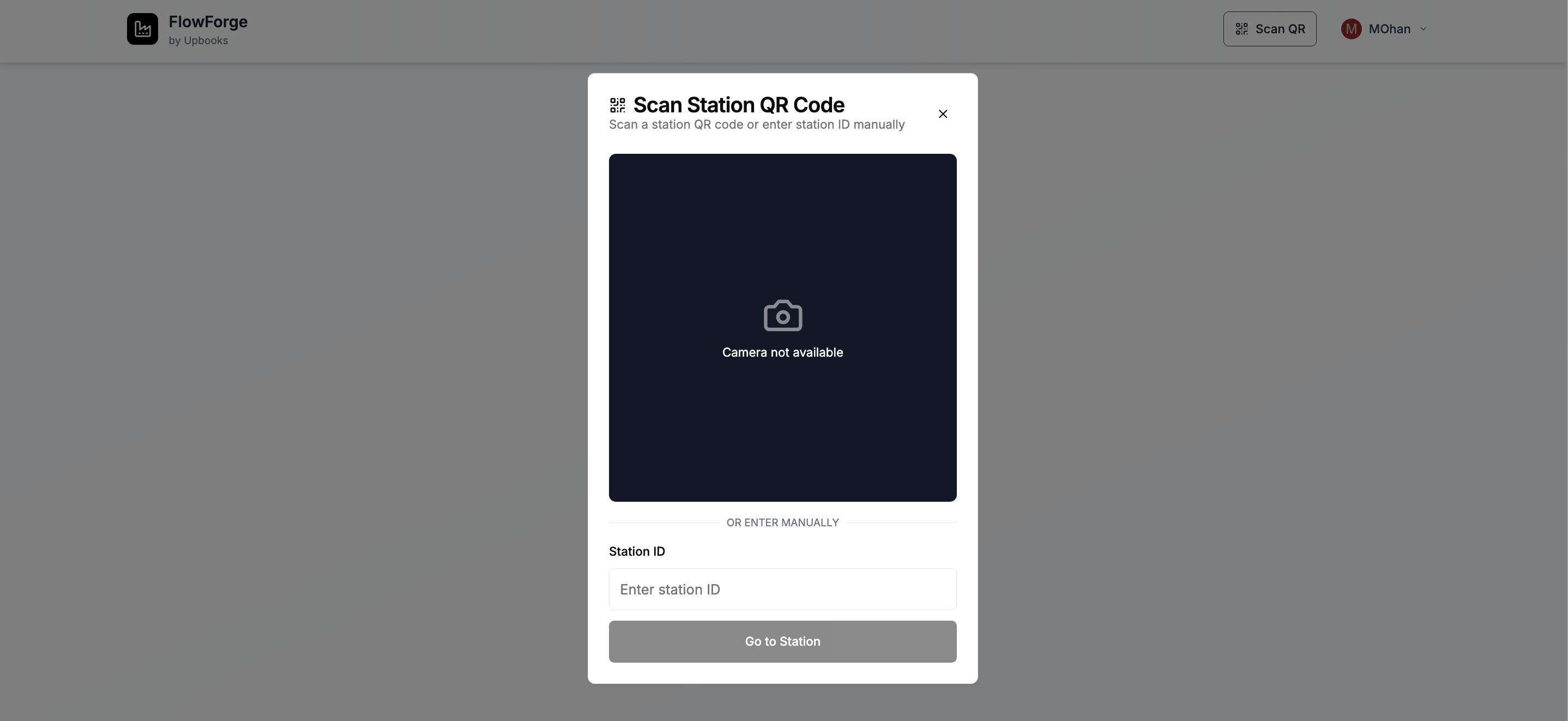
FlowForge
Station → Batch → Complete → Next stage
B-1042
Kanban boards
Backlog → In production → QC → Ship
Project Management · KanbanNPI — housing v2
EngineeringBatch #1042 — frames
Line ATooling changeover
MaintenanceDimensional check
QualityOrder PO-8821
Dispatchdrag cards · update status · entire plant sees the same board
Shop-floor & production flow
FlowForge
- Station-based workflows — operators see batches waiting at each workstation
- Process forms at every stage for quality records and traceability
- Complete a batch and move it to the next stage in one action
- QR code scanning to jump straight to a station on tablets
- Tablet-friendly UI built for gloves, lines, and factory floors
- Real-time visibility into WIP across boards and production lines
FlowForge is MES for the shop floor — see what needs work, where it is, and move it through your process without paper handoffs or bulky ERP screens.
View product pageB-1042
Production planning & work visibility
Kanban boards
- Custom columns for your process — e.g. NPI → Cutting → Assembly → QC → Ship
- Drag cards to update status; entire team sees the same board in real time
- Multiple boards per plant: production runs, maintenance, CAPA, and engineering
- Link tasks to projects, clients, and dependencies for cross-team coordination
- Board templates to spin up new lines or product launches faster
- Timeline view for milestones alongside day-to-day Kanban work
Kanban boards in Work Management give planners and floor leads one shared view of what is in backlog, in production, on hold, and ready to ship.
View product pageProject Management · KanbanNPI — housing v2
EngineeringBatch #1042 — frames
Line ATooling changeover
MaintenanceDimensional check
QualityOrder PO-8821
Dispatchdrag cards · update status · entire plant sees the same board

Raw materials, WIP & finished goods
Inventory & Supply Chain
- Multi-warehouse tracking for raw materials, WIP, and finished goods
- Stock movements between plants, lines, and distribution centres
- Serial and batch tracking for lot traceability through production
- Reorder automation when stock falls below threshold levels
- Purchase → receive → dispatch → GRN in one connected flow
- Supplier performance and landed cost visibility
Manufacturers need to know what is on hand at every stage. Inventory ties shop-floor consumption back to purchasing and fulfilment.
View product pageRaw materials
12.4K
units
+8%WIP
3.2K
units
liveFinished goods
8.9K
units
+3%Buy raw materials with control
Procurement
- Purchase orders for raw materials, parts, and production supplies
- Vendor scorecards and contract pricing for repeat suppliers
- Approval workflows so POs match budget and authority limits
- GRN matching — receive goods against the PO before paying
- Link outward payments to vendor invoices for clean payables
- Spend visibility by category, plant, and production line
Procurement keeps material flowing to the floor — controlled spend, matched receipts, and suppliers paid on time without spreadsheet chasing.
View product pagePurchase order
Approved
GRN received
Payment sent
Purchase order
PO-8821 · Steel rods · ₹4.2L
Modernize your manufacturing operations with Upbooks
FlowForge on the floor, Kanban for planning, inventory and procurement behind it — talk to us about your plant.